NEWSROOM
NEWSROOM
Why Apolipoprotein Testing May Better Reflect Heart Health
Why Apolipoprotein Testing May Better Reflect Heart Health
Why Apolipoprotein Testing May Better Reflect Heart Health
By:
Rei Huan
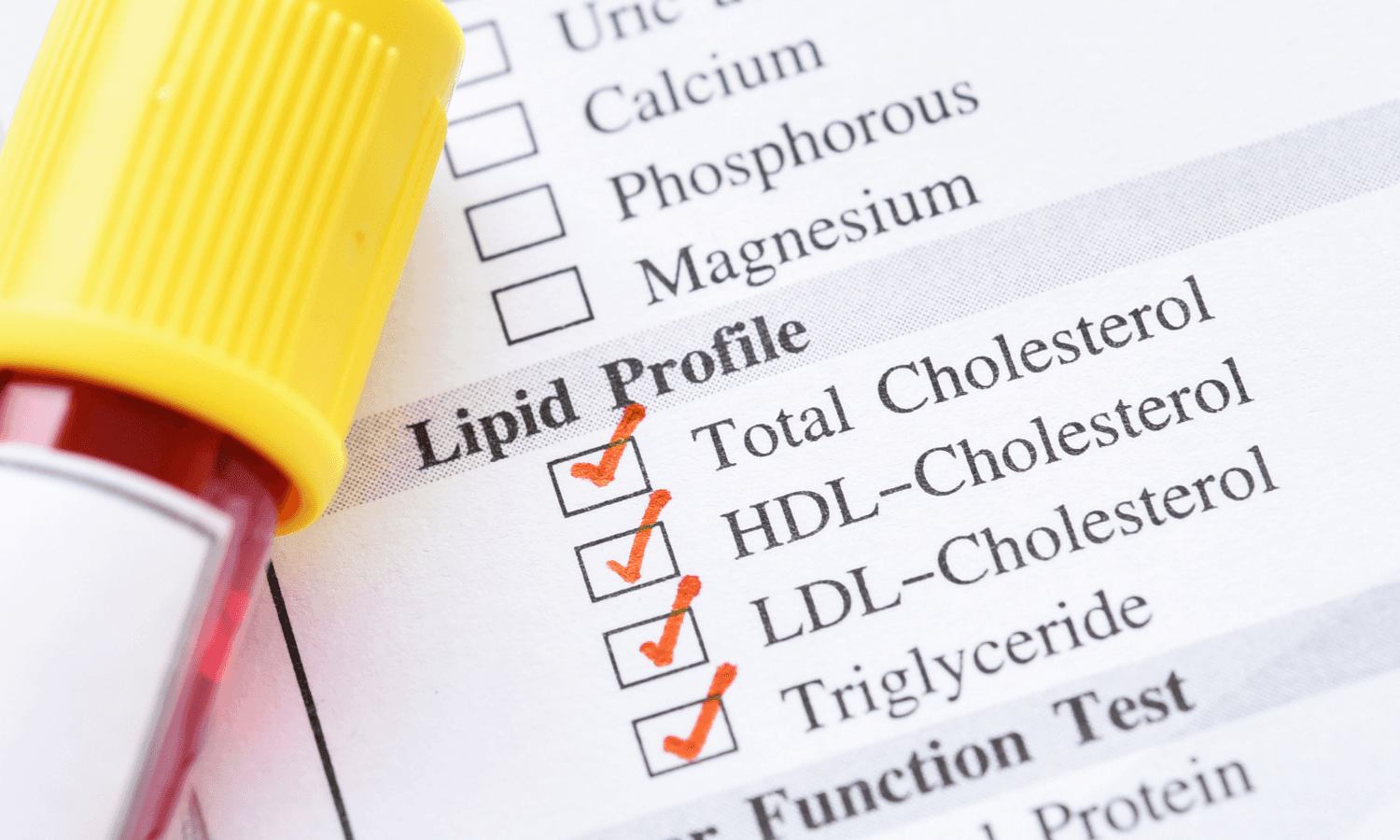
For decades, standard cholesterol tests measuring LDL (“bad”) and HDL (“good”) cholesterol have been the cornerstone of cardiovascular risk assessment. These tests are useful, but emerging evidence suggests that looking deeper — at the particles themselves — can offer a more accurate picture of heart disease risk. One such marker gaining attention is apolipoprotein B (apoB), which may more directly reflect the number of harmful lipoprotein particles in the blood.
What Are Cholesterol and Apolipoproteins?
Cholesterol is a waxy substance carried in the blood by lipoprotein particles. These particles include:
LDL (low‑density lipoprotein): Often called “bad cholesterol”
HDL (high‑density lipoprotein): Known as “good cholesterol”
Apolipoproteins are protein components of these particles. Each plaque-forming particle (that can deposit in artery walls) carries one molecule of apoB. Measuring apoB reflects the total number of harmful particles — not just the amount of cholesterol they carry.
Why Apolipoprotein B Matters
LDL-C and ApoB are both markers used to assess cardiovascular risk, but they measure different things. Think of the bloodstream as a highway: LDL-C measures the amount of cholesterol (cargo) being carried, while ApoB counts the actual number of particles (trucks) on the road. Since it is the particle that actually infiltrates the artery wall and triggers plaque formation, LDL-C can sometimes be misleading. For instance, an individual might have "normal" LDL-C levels but a high number of small, cholesterol-depleted LDL particles, resulting in a high ApoB and hidden cardiovascular risk. Therefore a test measuring apoB may be more closely linked to actual cardiovascular risk.
Key Advantages of ApoB Testing
Direct reflection of harmful particle count: Because each plaque forming particle has one apoB molecule, apoB closely indicates the number of arterial‑plaque‑forming particles.
Better risk prediction in some groups: ApoB outperforms traditional markers in predicting cardiovascular events.
Useful for metabolic conditions: People with diabetes, obesity, high triglycerides or metabolic syndrome may have “hidden risk” not fully captured by LDL‑C alone.
These advantages have led major cardiovascular societies to recognise apoB as a more accurate marker of atherogenic risk than LDL‑C or non‑HDL cholesterol.
How This Affects Your Heart Health Assessment
Standard lipid panels remain valuable — but they provide a partial snapshot of cardiovascular risk. ApoB testing adds clarity, especially when:
Cholesterol levels are borderline but other risk factors are present
You have high triglycerides or metabolic risk
You have a family history of early heart disease
You want personalised insight into risk beyond conventional numbers
Discussing both standard lipid and apolipoprotein testing with your clinician can offer a more comprehensive assessment of your cardiovascular health.
Take Control of Your Heart Health
Understanding your cardiovascular risk is a powerful step toward long‑term health. Beyond total cholesterol and LDL‑C, markers like apoB can help refine your risk profile and guide lifestyle and therapeutic decisions.
👉 Book a check‑up with us to review your lipid panel, discuss apolipoprotein testing, and tailor a heart‑health plan that fits your lifestyle and goals.
References/Links:
https://www.health.harvard.edu/heart-health/is-an-apob-test-a-better-way-to-check-your-cholesterol
https://pmc.ncbi.nlm.nih.gov/articles/PMC11219008/
https://www.sciencedaily.com/releases/2025/04/250428222148.htm
https://my.clevelandclinic.org/health/diagnostics/24992-apolipoprotein-b-test
https://pmc.ncbi.nlm.nih.gov/articles/PMC10488498/
Vetted by Dr Zhao Runfeng
For decades, standard cholesterol tests measuring LDL (“bad”) and HDL (“good”) cholesterol have been the cornerstone of cardiovascular risk assessment. These tests are useful, but emerging evidence suggests that looking deeper — at the particles themselves — can offer a more accurate picture of heart disease risk. One such marker gaining attention is apolipoprotein B (apoB), which may more directly reflect the number of harmful lipoprotein particles in the blood.
What Are Cholesterol and Apolipoproteins?
Cholesterol is a waxy substance carried in the blood by lipoprotein particles. These particles include:
LDL (low‑density lipoprotein): Often called “bad cholesterol”
HDL (high‑density lipoprotein): Known as “good cholesterol”
Apolipoproteins are protein components of these particles. Each plaque-forming particle (that can deposit in artery walls) carries one molecule of apoB. Measuring apoB reflects the total number of harmful particles — not just the amount of cholesterol they carry.
Why Apolipoprotein B Matters
LDL-C and ApoB are both markers used to assess cardiovascular risk, but they measure different things. Think of the bloodstream as a highway: LDL-C measures the amount of cholesterol (cargo) being carried, while ApoB counts the actual number of particles (trucks) on the road. Since it is the particle that actually infiltrates the artery wall and triggers plaque formation, LDL-C can sometimes be misleading. For instance, an individual might have "normal" LDL-C levels but a high number of small, cholesterol-depleted LDL particles, resulting in a high ApoB and hidden cardiovascular risk. Therefore a test measuring apoB may be more closely linked to actual cardiovascular risk.
Key Advantages of ApoB Testing
Direct reflection of harmful particle count: Because each plaque forming particle has one apoB molecule, apoB closely indicates the number of arterial‑plaque‑forming particles.
Better risk prediction in some groups: ApoB outperforms traditional markers in predicting cardiovascular events.
Useful for metabolic conditions: People with diabetes, obesity, high triglycerides or metabolic syndrome may have “hidden risk” not fully captured by LDL‑C alone.
These advantages have led major cardiovascular societies to recognise apoB as a more accurate marker of atherogenic risk than LDL‑C or non‑HDL cholesterol.
How This Affects Your Heart Health Assessment
Standard lipid panels remain valuable — but they provide a partial snapshot of cardiovascular risk. ApoB testing adds clarity, especially when:
Cholesterol levels are borderline but other risk factors are present
You have high triglycerides or metabolic risk
You have a family history of early heart disease
You want personalised insight into risk beyond conventional numbers
Discussing both standard lipid and apolipoprotein testing with your clinician can offer a more comprehensive assessment of your cardiovascular health.
Take Control of Your Heart Health
Understanding your cardiovascular risk is a powerful step toward long‑term health. Beyond total cholesterol and LDL‑C, markers like apoB can help refine your risk profile and guide lifestyle and therapeutic decisions.
👉 Book a check‑up with us to review your lipid panel, discuss apolipoprotein testing, and tailor a heart‑health plan that fits your lifestyle and goals.
References/Links:
https://www.health.harvard.edu/heart-health/is-an-apob-test-a-better-way-to-check-your-cholesterol
https://pmc.ncbi.nlm.nih.gov/articles/PMC11219008/
https://www.sciencedaily.com/releases/2025/04/250428222148.htm
https://my.clevelandclinic.org/health/diagnostics/24992-apolipoprotein-b-test
https://pmc.ncbi.nlm.nih.gov/articles/PMC10488498/
Vetted by Dr Zhao Runfeng
Book Appointment


OUR NEWS
OUR NEWS
Latest News & Articles
Latest News & Articles
Latest News & Articles

Crystal
Sunday, October 11, 2026
Crystal
Sunday, October 11, 2026

Crystal
Thursday, September 24, 2026
Crystal
Thursday, September 24, 2026

Crystal
Thursday, September 24, 2026
Crystal
Thursday, September 24, 2026
Crystal
Sunday, October 11, 2026
Crystal
Thursday, September 24, 2026