NEWSROOM
NEWSROOM
When Should One Test for Vitamin Deficiencies? (Singapore Guide)
When Should One Test for Vitamin Deficiencies? (Singapore Guide)
When Should One Test for Vitamin Deficiencies? (Singapore Guide)
By:
Rei Huan
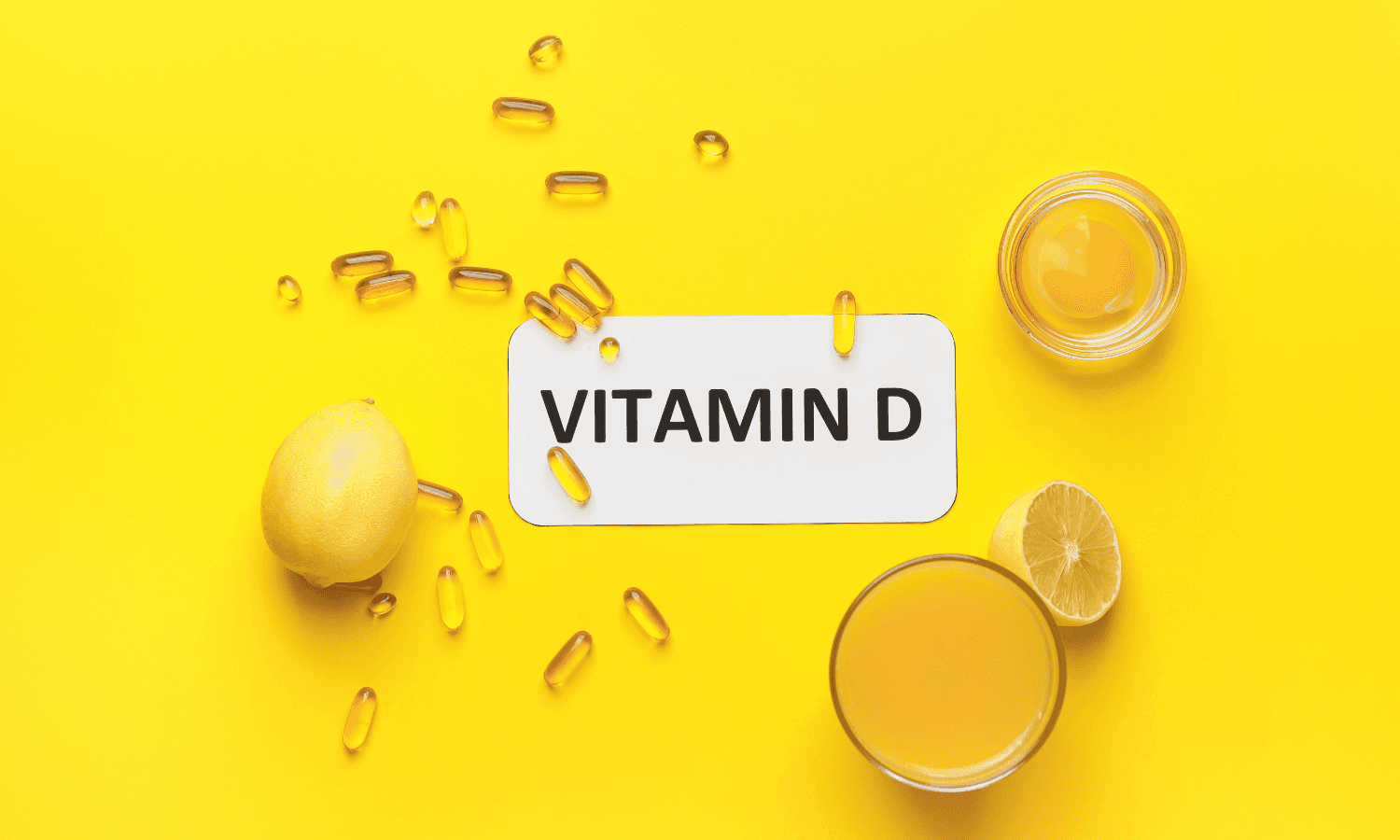
Vitamin deficiencies are more common than many people realise — even in developed countries like Singapore. While severe deficiencies are rare, mild or borderline deficiencies can still affect your energy levels, immunity, mood, sleep and overall wellbeing.
So when should you actually test for vitamin deficiencies — and who needs it most?
Why Vitamin Levels Matter
Vitamins play essential roles in the body:
Supporting immune function
Maintaining healthy skin, hair and nails
Regulating metabolism and energy production
Supporting nerve and brain health
Maintaining bone strength
When levels fall below optimal range, symptoms may be subtle at first — often mistaken for stress, lack of sleep or overwork.
According to the World Health Organization, micronutrient deficiencies remain a global health issue, affecting both developing and developed populations.
Common Signs You May Need Testing
You don’t need to test routinely without reason — but certain symptoms may suggest checking your vitamin levels.
Persistent Fatigue
If you feel tired despite adequate sleep, low levels of:
Vitamin B12
Iron
Vitamin D
may be contributing factors.
Frequent Illness
Repeated colds or slow recovery may be linked to:
Vitamin D deficiency
Zinc deficiency
Hair Thinning or Brittle Nails
May be associated with:
Iron deficiency
Biotin deficiency
Brain Fog or Low Mood
Low levels of:
Vitamin B12
Vitamin D
have been associated with cognitive changes and mood symptoms, as discussed by the National Institutes of Health.
High-Risk Groups Who Should Consider Testing
Some individuals are more prone to vitamin deficiencies and may benefit from screening:
1. Vegetarians & Vegans
Vitamin B12 and folate is primarily found in animal products. Long-term plant-based diets increase deficiency risk.
2. Office Workers in Singapore
With long indoor hours and minimal sun exposure, Vitamin D deficiency is common — even in tropical climates.
The Centers for Disease Control and Prevention notes that Vitamin D deficiency can occur even in sunny regions due to lifestyle factors.
3. Women with Heavy Menstrual Bleeding
Higher risk of iron deficiency and anaemia.
4. Individuals with Gut Issues
Conditions affecting absorption (e.g., chronic gastritis, IBS) can reduce nutrient uptake.
5. Older Adults/ Postmenopausal women
Ageing reduces absorption of:
Vitamin B12
Vitamin D
Calcium
The Ministry of Health Singapore also recognises micronutrient screening as part of broader preventive health strategies.
Common Vitamins Tested in Singapore Clinics
Vitamin / Nutrient | Why It’s Tested | Common Symptoms |
Vitamin D | Bone health, immunity | Fatigue, bone pain |
Vitamin B12 | Nerve function, red blood cells | Numbness, brain fog |
Iron / Ferritin | Oxygen transport | Weakness, hair loss |
Folate | Cell production | Anaemia symptoms |
Zinc | Immune function | Frequent infections |
Should You Test Routinely?
Not everyone needs routine vitamin screening. Testing is usually recommended when:
Symptoms are present
You belong to a higher-risk group
You are planning pregnancy
You have dietary restrictions
You have chronic medical conditions
Over-testing without indication may not be necessary. A consultation helps determine what is clinically appropriate.
The Health Sciences Authority regulates laboratory testing standards in Singapore to ensure safety and accuracy.
Can You Just Take Supplements Without Testing?
While supplements are widely available, taking high doses without confirmed deficiency may:
Mask underlying conditions
Lead to toxicity (e.g., excess Vitamin D)
Be unnecessary and costly
Testing provides clarity and allows targeted supplementation rather than guesswork.
When to See a Doctor
Consider speaking to a doctor if you experience:
Unexplained persistent fatigue
Hair thinning or brittle nails
Numbness or tingling
Low mood without clear cause
Recurrent infections
Early testing can help identify correctable deficiencies before they worsen.
Key Takeaway
Vitamin deficiency testing isn’t for everyone — but it can be valuable if you have symptoms, dietary risk factors, or ongoing health concerns. A simple blood test can provide insight into your nutritional status and guide appropriate supplementation.
Preventive care isn’t just about treating disease — it’s about optimising health before problems arise.
Frequently Asked Questions
Is vitamin deficiency common in Singapore?
Yes. Vitamin D deficiency is surprisingly common due to indoor lifestyles, despite Singapore’s sunny climate.
How do I know if I need a vitamin test?
If you have unexplained fatigue, hair loss, frequent illness or dietary restrictions, testing may be appropriate.
Can I request specific vitamin tests?
Yes, but it is best to consult a doctor to determine which tests are clinically indicated.
Is vitamin testing covered under health screening?
Some basic panels may be included, but specific vitamin tests are often added separately.
Sources:
Vetted by Dr Zhao Runfeng
Vitamin deficiencies are more common than many people realise — even in developed countries like Singapore. While severe deficiencies are rare, mild or borderline deficiencies can still affect your energy levels, immunity, mood, sleep and overall wellbeing.
So when should you actually test for vitamin deficiencies — and who needs it most?
Why Vitamin Levels Matter
Vitamins play essential roles in the body:
Supporting immune function
Maintaining healthy skin, hair and nails
Regulating metabolism and energy production
Supporting nerve and brain health
Maintaining bone strength
When levels fall below optimal range, symptoms may be subtle at first — often mistaken for stress, lack of sleep or overwork.
According to the World Health Organization, micronutrient deficiencies remain a global health issue, affecting both developing and developed populations.
Common Signs You May Need Testing
You don’t need to test routinely without reason — but certain symptoms may suggest checking your vitamin levels.
Persistent Fatigue
If you feel tired despite adequate sleep, low levels of:
Vitamin B12
Iron
Vitamin D
may be contributing factors.
Frequent Illness
Repeated colds or slow recovery may be linked to:
Vitamin D deficiency
Zinc deficiency
Hair Thinning or Brittle Nails
May be associated with:
Iron deficiency
Biotin deficiency
Brain Fog or Low Mood
Low levels of:
Vitamin B12
Vitamin D
have been associated with cognitive changes and mood symptoms, as discussed by the National Institutes of Health.
High-Risk Groups Who Should Consider Testing
Some individuals are more prone to vitamin deficiencies and may benefit from screening:
1. Vegetarians & Vegans
Vitamin B12 and folate is primarily found in animal products. Long-term plant-based diets increase deficiency risk.
2. Office Workers in Singapore
With long indoor hours and minimal sun exposure, Vitamin D deficiency is common — even in tropical climates.
The Centers for Disease Control and Prevention notes that Vitamin D deficiency can occur even in sunny regions due to lifestyle factors.
3. Women with Heavy Menstrual Bleeding
Higher risk of iron deficiency and anaemia.
4. Individuals with Gut Issues
Conditions affecting absorption (e.g., chronic gastritis, IBS) can reduce nutrient uptake.
5. Older Adults/ Postmenopausal women
Ageing reduces absorption of:
Vitamin B12
Vitamin D
Calcium
The Ministry of Health Singapore also recognises micronutrient screening as part of broader preventive health strategies.
Common Vitamins Tested in Singapore Clinics
Vitamin / Nutrient | Why It’s Tested | Common Symptoms |
Vitamin D | Bone health, immunity | Fatigue, bone pain |
Vitamin B12 | Nerve function, red blood cells | Numbness, brain fog |
Iron / Ferritin | Oxygen transport | Weakness, hair loss |
Folate | Cell production | Anaemia symptoms |
Zinc | Immune function | Frequent infections |
Should You Test Routinely?
Not everyone needs routine vitamin screening. Testing is usually recommended when:
Symptoms are present
You belong to a higher-risk group
You are planning pregnancy
You have dietary restrictions
You have chronic medical conditions
Over-testing without indication may not be necessary. A consultation helps determine what is clinically appropriate.
The Health Sciences Authority regulates laboratory testing standards in Singapore to ensure safety and accuracy.
Can You Just Take Supplements Without Testing?
While supplements are widely available, taking high doses without confirmed deficiency may:
Mask underlying conditions
Lead to toxicity (e.g., excess Vitamin D)
Be unnecessary and costly
Testing provides clarity and allows targeted supplementation rather than guesswork.
When to See a Doctor
Consider speaking to a doctor if you experience:
Unexplained persistent fatigue
Hair thinning or brittle nails
Numbness or tingling
Low mood without clear cause
Recurrent infections
Early testing can help identify correctable deficiencies before they worsen.
Key Takeaway
Vitamin deficiency testing isn’t for everyone — but it can be valuable if you have symptoms, dietary risk factors, or ongoing health concerns. A simple blood test can provide insight into your nutritional status and guide appropriate supplementation.
Preventive care isn’t just about treating disease — it’s about optimising health before problems arise.
Frequently Asked Questions
Is vitamin deficiency common in Singapore?
Yes. Vitamin D deficiency is surprisingly common due to indoor lifestyles, despite Singapore’s sunny climate.
How do I know if I need a vitamin test?
If you have unexplained fatigue, hair loss, frequent illness or dietary restrictions, testing may be appropriate.
Can I request specific vitamin tests?
Yes, but it is best to consult a doctor to determine which tests are clinically indicated.
Is vitamin testing covered under health screening?
Some basic panels may be included, but specific vitamin tests are often added separately.
Sources:
Vetted by Dr Zhao Runfeng
Book Appointment


OUR NEWS
OUR NEWS
Latest News & Articles
Latest News & Articles
Latest News & Articles

Crystal
Sunday, October 11, 2026
Crystal
Sunday, October 11, 2026

Crystal
Thursday, September 24, 2026
Crystal
Thursday, September 24, 2026

Crystal
Thursday, September 24, 2026
Crystal
Thursday, September 24, 2026
Crystal
Sunday, October 11, 2026
Crystal
Thursday, September 24, 2026