NEWSROOM
NEWSROOM
Lipid Control: A Holistic Approach to Cholesterol Health
Lipid Control: A Holistic Approach to Cholesterol Health
Lipid Control: A Holistic Approach to Cholesterol Health
By:
Dr. Samuel Lim
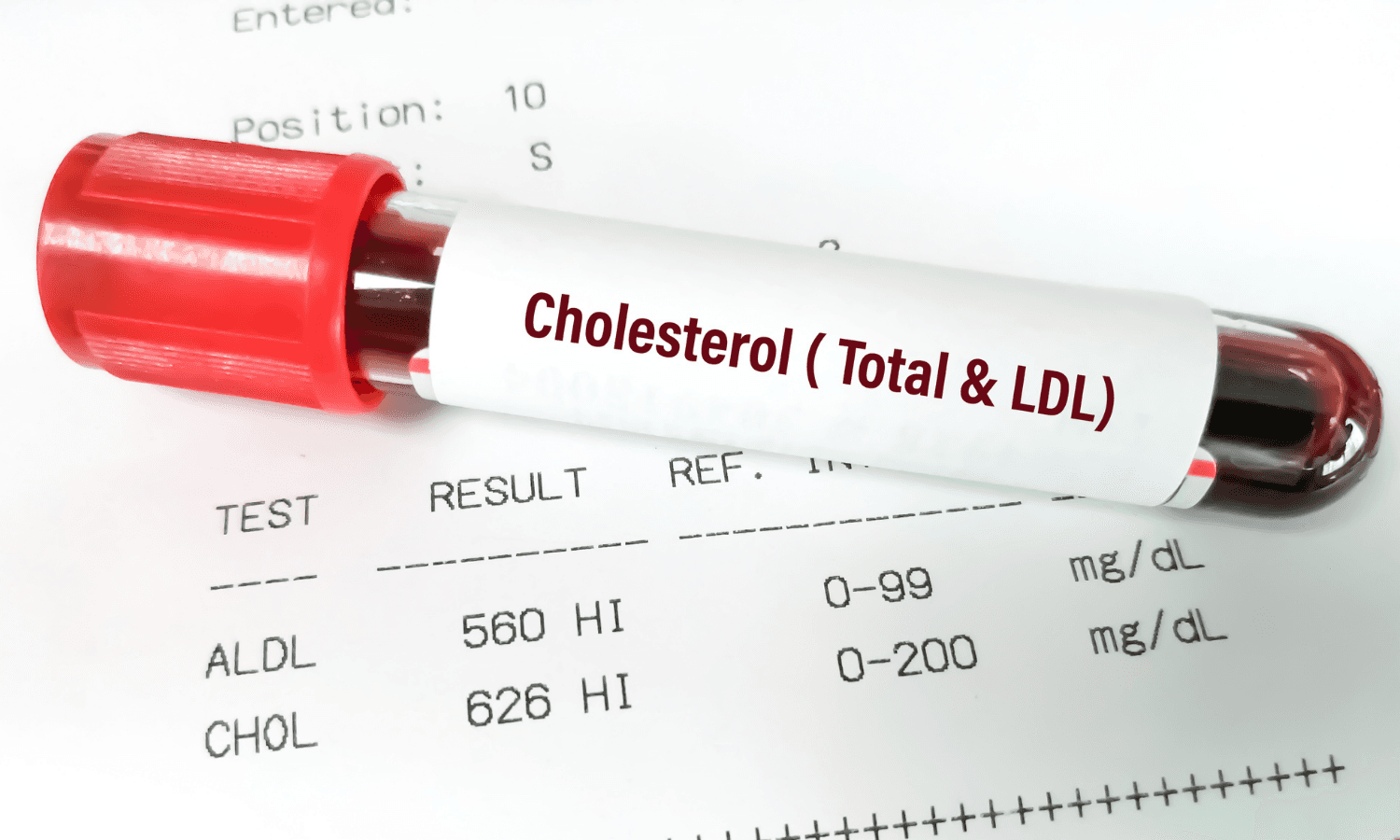
Lipid control refers to managing cholesterol and triglyceride levels in the blood to reduce the risk of heart disease and stroke. High cholesterol often causes no symptoms, yet it quietly contributes to plaque build-up in blood vessels over many years.
While medications such as statins are effective for people at higher risk, long-term lipid health begins with daily habits. For many individuals, lifestyle and dietary changes can significantly improve cholesterol profiles and overall cardiovascular health.
Lifestyle: The Foundation of Healthy Lipid Levels
Your daily routines strongly influence how your body processes fats and cholesterol.
Regular physical activity helps raise “good” HDL cholesterol while lowering “bad” LDL cholesterol and triglycerides. Aerobic exercises such as brisk walking, swimming, or cycling are particularly beneficial, while resistance training supports metabolic health.
Other key lifestyle factors include:
Maintaining a healthy body weight
Getting adequate, consistent sleep
Managing chronic stress
Avoiding smoking and limiting alcohol intake
Even modest improvements in these areas can lead to measurable changes in lipid levels over time.
Food: Eating for Cholesterol Balance
Diet plays a central role in lipid control — not just by reducing harmful fats, but by adding protective nutrients.
Focus on Healthy Fats
Not all fats are harmful. Unsaturated fats support heart health and help improve cholesterol balance.
Better fat choices include:
Olive oil and canola oil
Nuts and seeds
Avocados
Fatty fish such as salmon and sardines
Limit saturated fats commonly found in processed meats, fried foods, and full-fat dairy, and avoid trans fats whenever possible.
Increase Fibre Intake
Soluble fibre binds cholesterol in the gut and helps remove it from the body.
Good sources include:
Oats and barley
Beans and lentils
Fruits such as apples and berries
Vegetables and whole grains
Reduce Ultra-Processed Foods
Highly processed foods often contain refined carbohydrates, sugars, and unhealthy fats that worsen triglyceride levels and promote inflammation.
Medicine: When Lifestyle Alone Is Not Enough
Cholesterol management is individualised. For people with existing heart disease, diabetes, or very high cholesterol, medications such as statins may be recommended because they significantly reduce cardiovascular risk.
Medications work best when combined with healthy lifestyle practices. They are not a substitute for good nutrition, regular activity, and long-term habit change.
Alternatives to Statins: What Are the Options and the Evidence?
Some individuals prefer to avoid statins due to side effects, personal preference, or lower overall risk. While lifestyle changes remain the most effective non-drug approach, several alternatives are often discussed.
Dietary and Lifestyle Interventions
These have the strongest evidence among non-pharmaceutical options:
Sustained weight loss
Regular aerobic exercise
Dietary patterns such as the Mediterranean or DASH diet
These interventions can meaningfully lower LDL cholesterol and triglycerides, particularly in mild to moderate cases.
Plant Sterols and Stanols
Found in fortified foods and supplements, plant sterols reduce cholesterol absorption in the gut. Evidence shows modest LDL reduction when taken consistently, though they do not replace statins for high-risk individuals.
Soluble Fibre Supplements
Psyllium and similar fibres can modestly lower LDL cholesterol when used regularly alongside a healthy diet.
Red Yeast Rice
Red yeast rice contains naturally occurring compounds similar to statins. While it can lower LDL cholesterol, product quality and dosing are inconsistent, and side effects similar to statins can still occur. Medical guidance is recommended before use.
Omega-3 Fatty Acids
Omega-3s are effective in lowering triglycerides and supporting heart health, but they do not significantly lower LDL cholesterol on their own.
What the Evidence Shows
Overall, non-statin alternatives may provide mild to moderate lipid improvements. However, for individuals at higher cardiovascular risk, they do not offer the same level of protection against heart attack and stroke as statins.
A Balanced Perspective on Lipid Health
Lipid control is not about chasing a single cholesterol number. It is about reducing long-term cardiovascular risk while supporting overall health and quality of life.
For many people, lifestyle and dietary changes form the backbone of cholesterol management. Medications, when needed, are part of a broader strategy — not a failure of wellness.
If you are unsure about your cholesterol levels, treatment options, or whether medication is necessary, speak with us for personalised advice based on your overall risk profile.
Lipid control refers to managing cholesterol and triglyceride levels in the blood to reduce the risk of heart disease and stroke. High cholesterol often causes no symptoms, yet it quietly contributes to plaque build-up in blood vessels over many years.
While medications such as statins are effective for people at higher risk, long-term lipid health begins with daily habits. For many individuals, lifestyle and dietary changes can significantly improve cholesterol profiles and overall cardiovascular health.
Lifestyle: The Foundation of Healthy Lipid Levels
Your daily routines strongly influence how your body processes fats and cholesterol.
Regular physical activity helps raise “good” HDL cholesterol while lowering “bad” LDL cholesterol and triglycerides. Aerobic exercises such as brisk walking, swimming, or cycling are particularly beneficial, while resistance training supports metabolic health.
Other key lifestyle factors include:
Maintaining a healthy body weight
Getting adequate, consistent sleep
Managing chronic stress
Avoiding smoking and limiting alcohol intake
Even modest improvements in these areas can lead to measurable changes in lipid levels over time.
Food: Eating for Cholesterol Balance
Diet plays a central role in lipid control — not just by reducing harmful fats, but by adding protective nutrients.
Focus on Healthy Fats
Not all fats are harmful. Unsaturated fats support heart health and help improve cholesterol balance.
Better fat choices include:
Olive oil and canola oil
Nuts and seeds
Avocados
Fatty fish such as salmon and sardines
Limit saturated fats commonly found in processed meats, fried foods, and full-fat dairy, and avoid trans fats whenever possible.
Increase Fibre Intake
Soluble fibre binds cholesterol in the gut and helps remove it from the body.
Good sources include:
Oats and barley
Beans and lentils
Fruits such as apples and berries
Vegetables and whole grains
Reduce Ultra-Processed Foods
Highly processed foods often contain refined carbohydrates, sugars, and unhealthy fats that worsen triglyceride levels and promote inflammation.
Medicine: When Lifestyle Alone Is Not Enough
Cholesterol management is individualised. For people with existing heart disease, diabetes, or very high cholesterol, medications such as statins may be recommended because they significantly reduce cardiovascular risk.
Medications work best when combined with healthy lifestyle practices. They are not a substitute for good nutrition, regular activity, and long-term habit change.
Alternatives to Statins: What Are the Options and the Evidence?
Some individuals prefer to avoid statins due to side effects, personal preference, or lower overall risk. While lifestyle changes remain the most effective non-drug approach, several alternatives are often discussed.
Dietary and Lifestyle Interventions
These have the strongest evidence among non-pharmaceutical options:
Sustained weight loss
Regular aerobic exercise
Dietary patterns such as the Mediterranean or DASH diet
These interventions can meaningfully lower LDL cholesterol and triglycerides, particularly in mild to moderate cases.
Plant Sterols and Stanols
Found in fortified foods and supplements, plant sterols reduce cholesterol absorption in the gut. Evidence shows modest LDL reduction when taken consistently, though they do not replace statins for high-risk individuals.
Soluble Fibre Supplements
Psyllium and similar fibres can modestly lower LDL cholesterol when used regularly alongside a healthy diet.
Red Yeast Rice
Red yeast rice contains naturally occurring compounds similar to statins. While it can lower LDL cholesterol, product quality and dosing are inconsistent, and side effects similar to statins can still occur. Medical guidance is recommended before use.
Omega-3 Fatty Acids
Omega-3s are effective in lowering triglycerides and supporting heart health, but they do not significantly lower LDL cholesterol on their own.
What the Evidence Shows
Overall, non-statin alternatives may provide mild to moderate lipid improvements. However, for individuals at higher cardiovascular risk, they do not offer the same level of protection against heart attack and stroke as statins.
A Balanced Perspective on Lipid Health
Lipid control is not about chasing a single cholesterol number. It is about reducing long-term cardiovascular risk while supporting overall health and quality of life.
For many people, lifestyle and dietary changes form the backbone of cholesterol management. Medications, when needed, are part of a broader strategy — not a failure of wellness.
If you are unsure about your cholesterol levels, treatment options, or whether medication is necessary, speak with us for personalised advice based on your overall risk profile.
Book Appointment


OUR NEWS
OUR NEWS
Latest News & Articles
Latest News & Articles
Latest News & Articles

Crystal
Sunday, October 11, 2026
Crystal
Sunday, October 11, 2026

Crystal
Thursday, September 24, 2026
Crystal
Thursday, September 24, 2026

Crystal
Thursday, September 24, 2026
Crystal
Thursday, September 24, 2026
Crystal
Sunday, October 11, 2026
Crystal
Thursday, September 24, 2026