NEWSROOM
NEWSROOM
COPD: Understanding a Common Yet Overlooked Lung Condition
COPD: Understanding a Common Yet Overlooked Lung Condition
COPD: Understanding a Common Yet Overlooked Lung Condition
By:
Rei Huan
What Is Chronic Obstructive Pulmonary Disease (COPD)?
COPD is not a single disease but a group of conditions that cause airflow limitation and impaired breathing. The two most common components are:
Chronic bronchitis, where the airways are inflamed and produce excess mucus
Emphysema, where the air sacs in the lungs are damaged, reducing oxygen exchange
Over time, these changes make it harder to breathe, especially during physical activity.
Common Symptoms to Look Out For
Symptoms usually start subtly and worsen over years. People with COPD may notice:
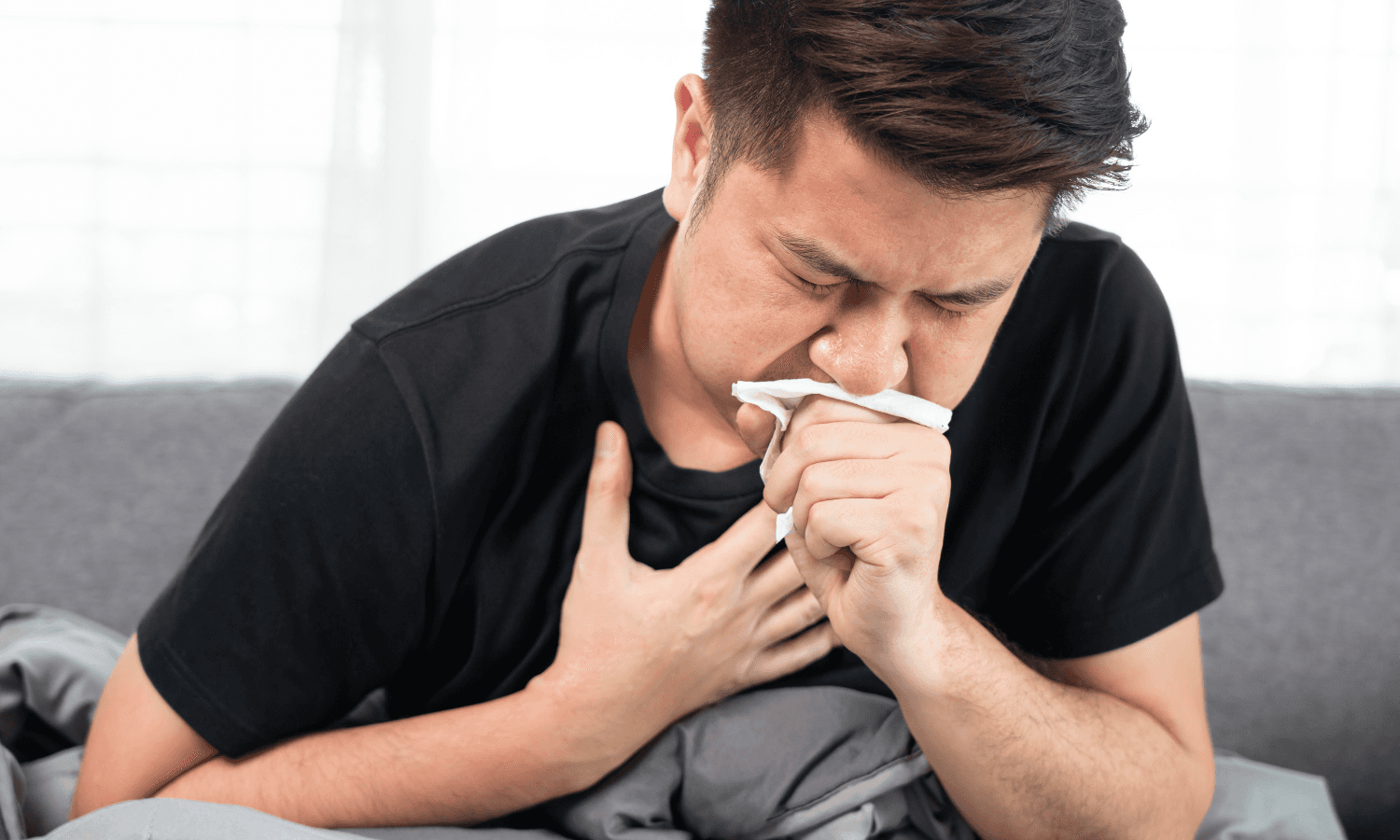
A persistent cough, with or without phlegm
Shortness of breath during daily activities
Wheezing or chest tightness
Frequent chest infections or prolonged recovery from colds
Reduced stamina and fatigue
Because the progression is slow, many people only seek medical care when symptoms begin interfering with daily life.
Who Is Most at Risk?
COPD is strongly associated with long-term exposure to lung irritants. Risk is higher if you:
Smoke or used to smoke
Are exposed to second-hand smoke
Work in environments with dust, fumes, or chemicals
Had recurrent lung infections earlier in life
Are over 40 and have ongoing respiratory symptoms
How COPD Is Diagnosed
Diagnosis is based on a combination of clinical assessment and lung function testing. A key investigation is spirometry, which measures how much air you can exhale and how quickly. This helps confirm airflow limitation and assess severity.
Early diagnosis allows treatment to start before significant lung damage occurs.
Managing COPD Effectively
Although COPD cannot be cured, appropriate treatment can greatly improve symptoms and slow disease progression.
Aspect of Care | Purpose |
|---|---|
Inhaler therapy | Opens airways and reduces inflammation |
Smoking cessation | Slows lung damage |
Pulmonary rehabilitation | Improves exercise tolerance |
Vaccinations | Reduces risk of severe infections |
Flare-up management | Prevents hospitalisation |
With consistent care, many people with COPD remain active and independent.
Why Early Treatment Matters
Untreated COPD can lead to frequent flare-ups, reduced quality of life, and repeated hospital admissions. Early and regular management helps preserve lung function, improve breathing comfort, and reduce long-term complications.
When Should You See a Doctor?
You should seek medical review if you have a chronic cough lasting more than a few weeks, unexplained breathlessness, or repeated chest infections — especially if you have a smoking history.
Take Charge of Your Lung Health
At District Family Clinics, we provide assessment, diagnosis, and long-term management for COPD and other chronic respiratory conditions.
👉 Book a teleconsult or clinic appointment to evaluate your symptoms and protect your lung health early.
What Is Chronic Obstructive Pulmonary Disease (COPD)?
COPD is not a single disease but a group of conditions that cause airflow limitation and impaired breathing. The two most common components are:
Chronic bronchitis, where the airways are inflamed and produce excess mucus
Emphysema, where the air sacs in the lungs are damaged, reducing oxygen exchange
Over time, these changes make it harder to breathe, especially during physical activity.
Common Symptoms to Look Out For
Symptoms usually start subtly and worsen over years. People with COPD may notice:
A persistent cough, with or without phlegm
Shortness of breath during daily activities
Wheezing or chest tightness
Frequent chest infections or prolonged recovery from colds
Reduced stamina and fatigue
Because the progression is slow, many people only seek medical care when symptoms begin interfering with daily life.
Who Is Most at Risk?
COPD is strongly associated with long-term exposure to lung irritants. Risk is higher if you:
Smoke or used to smoke
Are exposed to second-hand smoke
Work in environments with dust, fumes, or chemicals
Had recurrent lung infections earlier in life
Are over 40 and have ongoing respiratory symptoms
How COPD Is Diagnosed
Diagnosis is based on a combination of clinical assessment and lung function testing. A key investigation is spirometry, which measures how much air you can exhale and how quickly. This helps confirm airflow limitation and assess severity.
Early diagnosis allows treatment to start before significant lung damage occurs.
Managing COPD Effectively
Although COPD cannot be cured, appropriate treatment can greatly improve symptoms and slow disease progression.
Aspect of Care | Purpose |
|---|---|
Inhaler therapy | Opens airways and reduces inflammation |
Smoking cessation | Slows lung damage |
Pulmonary rehabilitation | Improves exercise tolerance |
Vaccinations | Reduces risk of severe infections |
Flare-up management | Prevents hospitalisation |
With consistent care, many people with COPD remain active and independent.
Why Early Treatment Matters
Untreated COPD can lead to frequent flare-ups, reduced quality of life, and repeated hospital admissions. Early and regular management helps preserve lung function, improve breathing comfort, and reduce long-term complications.
When Should You See a Doctor?
You should seek medical review if you have a chronic cough lasting more than a few weeks, unexplained breathlessness, or repeated chest infections — especially if you have a smoking history.
Take Charge of Your Lung Health
At District Family Clinics, we provide assessment, diagnosis, and long-term management for COPD and other chronic respiratory conditions.
👉 Book a teleconsult or clinic appointment to evaluate your symptoms and protect your lung health early.
Book Appointment


OUR NEWS
OUR NEWS
Latest News & Articles
Latest News & Articles
Latest News & Articles

Crystal
Sunday, October 11, 2026
Crystal
Sunday, October 11, 2026

Crystal
Thursday, September 24, 2026
Crystal
Thursday, September 24, 2026

Crystal
Thursday, September 24, 2026
Crystal
Thursday, September 24, 2026
Crystal
Sunday, October 11, 2026
Crystal
Thursday, September 24, 2026