NEWSROOM
NEWSROOM
Blood Pressure Control: A Holistic Approach Beyond Medication
Blood Pressure Control: A Holistic Approach Beyond Medication
Blood Pressure Control: A Holistic Approach Beyond Medication
By:
Dr. Samuel Lim
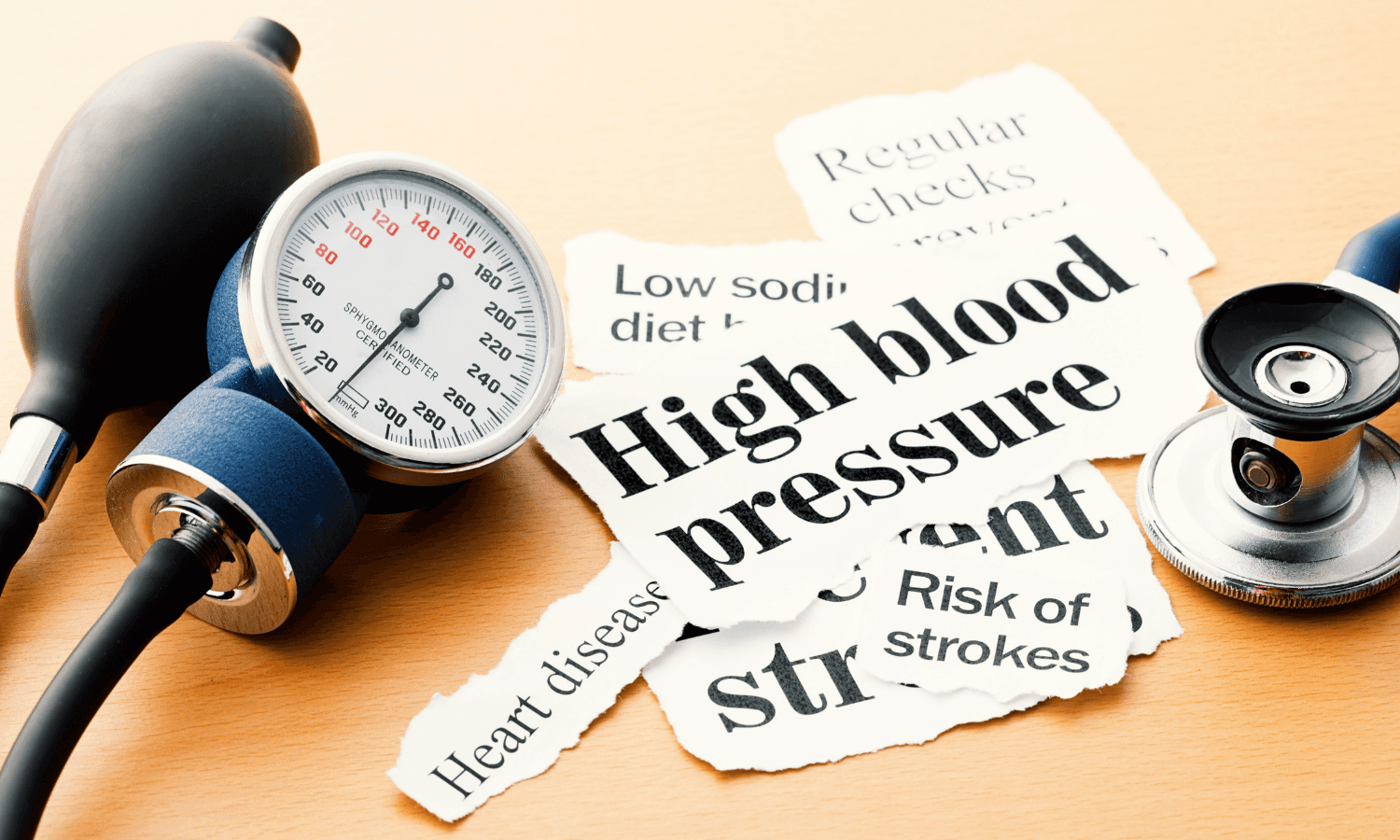
High blood pressure, also known as hypertension, is one of the most common chronic health conditions worldwide. Often called the “silent killer,” it usually causes no symptoms but significantly increases the risk of heart disease, stroke, kidney disease, and dementia if left unmanaged.
While medications play an important role for some individuals, many people can significantly improve their blood pressure through non-pharmaceutical approaches. Long-term blood pressure control is not just about numbers — it is about building healthier daily habits that support overall wellbeing.
Why Blood Pressure Rises
Blood pressure is influenced by a combination of genetics, lifestyle, and environmental factors. In modern life, prolonged stress, sedentary behaviour, processed foods, and poor sleep all contribute to persistently elevated readings.
Common contributors include:
Excess dietary salt
Physical inactivity
Chronic stress
Poor sleep quality
Excess body weight
Smoking and excessive alcohol intake
The good news is that many of these factors are modifiable.
Nutrition: The Foundation of Blood Pressure Wellness
What you eat daily has a direct and measurable impact on blood pressure.
Reduce Excess Salt Intake
Most dietary salt comes from processed and restaurant foods rather than home cooking. Reducing sodium intake helps the body regulate fluid balance and lowers pressure within blood vessels.
Practical tips:
Choose fresh, minimally processed foods
Read food labels and opt for lower-sodium options
Use herbs, spices, lemon, and garlic instead of salt for flavour
Eat More Potassium-Rich Foods
Potassium helps counteract the effects of sodium and relax blood vessel walls.
Good sources include:
Leafy greens
Bananas
Avocados
Beans and lentils
Sweet potatoes
Adopt a Heart-Friendly Eating Pattern
Dietary approaches such as the DASH or Mediterranean-style diet have been shown to support healthy blood pressure while improving cholesterol and blood sugar control.
Physical Activity: Movement as Medicine
Regular movement strengthens the heart, improves circulation, and reduces vascular resistance.
You do not need intense workouts to see benefits. Consistency matters more than intensity.
Helpful forms of activity include:
Brisk walking
Cycling or swimming
Strength training
Yoga or Pilates
Aim for at least 150 minutes of moderate activity per week, broken into manageable sessions.
Weight and Blood Pressure
Excess body weight increases the workload on the heart. Even modest weight loss can lead to meaningful reductions in blood pressure.
Sustainable strategies focus on:
Gradual, realistic goals
Balanced meals rather than restrictive diets
Long-term habit changes rather than short-term fixes
Stress Management: An Overlooked Factor
Chronic stress activates the body’s “fight or flight” response, causing blood vessels to constrict and blood pressure to rise.
Managing stress is not about eliminating it entirely, but learning how to regulate your response.
Helpful techniques include:
Deep breathing exercises
Mindfulness or meditation
Spending time outdoors
Setting boundaries around work and digital overload
Sleep and Blood Pressure
Poor sleep quality and short sleep duration are strongly linked to hypertension. During restful sleep, blood pressure naturally dips — a process essential for cardiovascular recovery.
Tips for better sleep:
Maintain a regular sleep schedule
Limit caffeine and alcohol in the evening
Reduce screen exposure before bedtime
Create a calm, dark sleeping environment
Alcohol, Smoking, and Blood Pressure
Lifestyle habits play a significant role in long-term blood pressure control.
Alcohol: Excessive intake raises blood pressure and reduces medication effectiveness. Moderation is key.
Smoking: Nicotine causes immediate blood vessel constriction and long-term vascular damage. Quitting significantly reduces cardiovascular risk.
Home Blood Pressure Monitoring
Tracking blood pressure at home empowers individuals to understand their patterns and progress. Readings taken in a calm, familiar environment are often more reflective of true blood pressure than clinic readings alone.
Regular monitoring also helps identify how lifestyle changes impact results over time.
When Lifestyle Changes Are Not Enough
For some individuals, lifestyle strategies alone may not fully control blood pressure due to genetic factors or existing medical conditions. In these cases, medications may still be necessary — but they work best when combined with healthy habits.
Wellness and medical treatment are not opposing approaches; they are complementary.
A Long-Term View on Blood Pressure Health
Blood pressure control is a journey, not a quick fix. Small, consistent changes made over time can lead to meaningful improvements in cardiovascular health and overall wellbeing.
If you would like personalised guidance on lifestyle-based blood pressure management, speak with us to explore a plan that fits your daily life and health goals.
High blood pressure, also known as hypertension, is one of the most common chronic health conditions worldwide. Often called the “silent killer,” it usually causes no symptoms but significantly increases the risk of heart disease, stroke, kidney disease, and dementia if left unmanaged.
While medications play an important role for some individuals, many people can significantly improve their blood pressure through non-pharmaceutical approaches. Long-term blood pressure control is not just about numbers — it is about building healthier daily habits that support overall wellbeing.
Why Blood Pressure Rises
Blood pressure is influenced by a combination of genetics, lifestyle, and environmental factors. In modern life, prolonged stress, sedentary behaviour, processed foods, and poor sleep all contribute to persistently elevated readings.
Common contributors include:
Excess dietary salt
Physical inactivity
Chronic stress
Poor sleep quality
Excess body weight
Smoking and excessive alcohol intake
The good news is that many of these factors are modifiable.
Nutrition: The Foundation of Blood Pressure Wellness
What you eat daily has a direct and measurable impact on blood pressure.
Reduce Excess Salt Intake
Most dietary salt comes from processed and restaurant foods rather than home cooking. Reducing sodium intake helps the body regulate fluid balance and lowers pressure within blood vessels.
Practical tips:
Choose fresh, minimally processed foods
Read food labels and opt for lower-sodium options
Use herbs, spices, lemon, and garlic instead of salt for flavour
Eat More Potassium-Rich Foods
Potassium helps counteract the effects of sodium and relax blood vessel walls.
Good sources include:
Leafy greens
Bananas
Avocados
Beans and lentils
Sweet potatoes
Adopt a Heart-Friendly Eating Pattern
Dietary approaches such as the DASH or Mediterranean-style diet have been shown to support healthy blood pressure while improving cholesterol and blood sugar control.
Physical Activity: Movement as Medicine
Regular movement strengthens the heart, improves circulation, and reduces vascular resistance.
You do not need intense workouts to see benefits. Consistency matters more than intensity.
Helpful forms of activity include:
Brisk walking
Cycling or swimming
Strength training
Yoga or Pilates
Aim for at least 150 minutes of moderate activity per week, broken into manageable sessions.
Weight and Blood Pressure
Excess body weight increases the workload on the heart. Even modest weight loss can lead to meaningful reductions in blood pressure.
Sustainable strategies focus on:
Gradual, realistic goals
Balanced meals rather than restrictive diets
Long-term habit changes rather than short-term fixes
Stress Management: An Overlooked Factor
Chronic stress activates the body’s “fight or flight” response, causing blood vessels to constrict and blood pressure to rise.
Managing stress is not about eliminating it entirely, but learning how to regulate your response.
Helpful techniques include:
Deep breathing exercises
Mindfulness or meditation
Spending time outdoors
Setting boundaries around work and digital overload
Sleep and Blood Pressure
Poor sleep quality and short sleep duration are strongly linked to hypertension. During restful sleep, blood pressure naturally dips — a process essential for cardiovascular recovery.
Tips for better sleep:
Maintain a regular sleep schedule
Limit caffeine and alcohol in the evening
Reduce screen exposure before bedtime
Create a calm, dark sleeping environment
Alcohol, Smoking, and Blood Pressure
Lifestyle habits play a significant role in long-term blood pressure control.
Alcohol: Excessive intake raises blood pressure and reduces medication effectiveness. Moderation is key.
Smoking: Nicotine causes immediate blood vessel constriction and long-term vascular damage. Quitting significantly reduces cardiovascular risk.
Home Blood Pressure Monitoring
Tracking blood pressure at home empowers individuals to understand their patterns and progress. Readings taken in a calm, familiar environment are often more reflective of true blood pressure than clinic readings alone.
Regular monitoring also helps identify how lifestyle changes impact results over time.
When Lifestyle Changes Are Not Enough
For some individuals, lifestyle strategies alone may not fully control blood pressure due to genetic factors or existing medical conditions. In these cases, medications may still be necessary — but they work best when combined with healthy habits.
Wellness and medical treatment are not opposing approaches; they are complementary.
A Long-Term View on Blood Pressure Health
Blood pressure control is a journey, not a quick fix. Small, consistent changes made over time can lead to meaningful improvements in cardiovascular health and overall wellbeing.
If you would like personalised guidance on lifestyle-based blood pressure management, speak with us to explore a plan that fits your daily life and health goals.
Book Appointment


OUR NEWS
OUR NEWS
Latest News & Articles
Latest News & Articles
Latest News & Articles

Crystal
Sunday, October 11, 2026
Crystal
Sunday, October 11, 2026

Crystal
Thursday, September 24, 2026
Crystal
Thursday, September 24, 2026

Crystal
Thursday, September 24, 2026
Crystal
Thursday, September 24, 2026
Crystal
Sunday, October 11, 2026
Crystal
Thursday, September 24, 2026